
OUR CO₂ SAVING PROJECTS
In 2021 we started a project together with farmers in our supply chains to develop best practices that help us to lower emissions more and more.
CRUUUUUUNCHWE ARE STARTING TO LOWER THE EMISSIONS FROM RYE CULTIVATION
Rye is our main raw material, and it represents around ¼ of our total emissions, mostly coming from the fertilizers and diesel used during its production and transport. In 2021 we started a project where we ask farmers to implement certain activities to lower emissions. This is an essential aspect of our commitment to tackling climate change and reduce our emission. The project is planned to grow over the years. Below the activities are described in more detail.
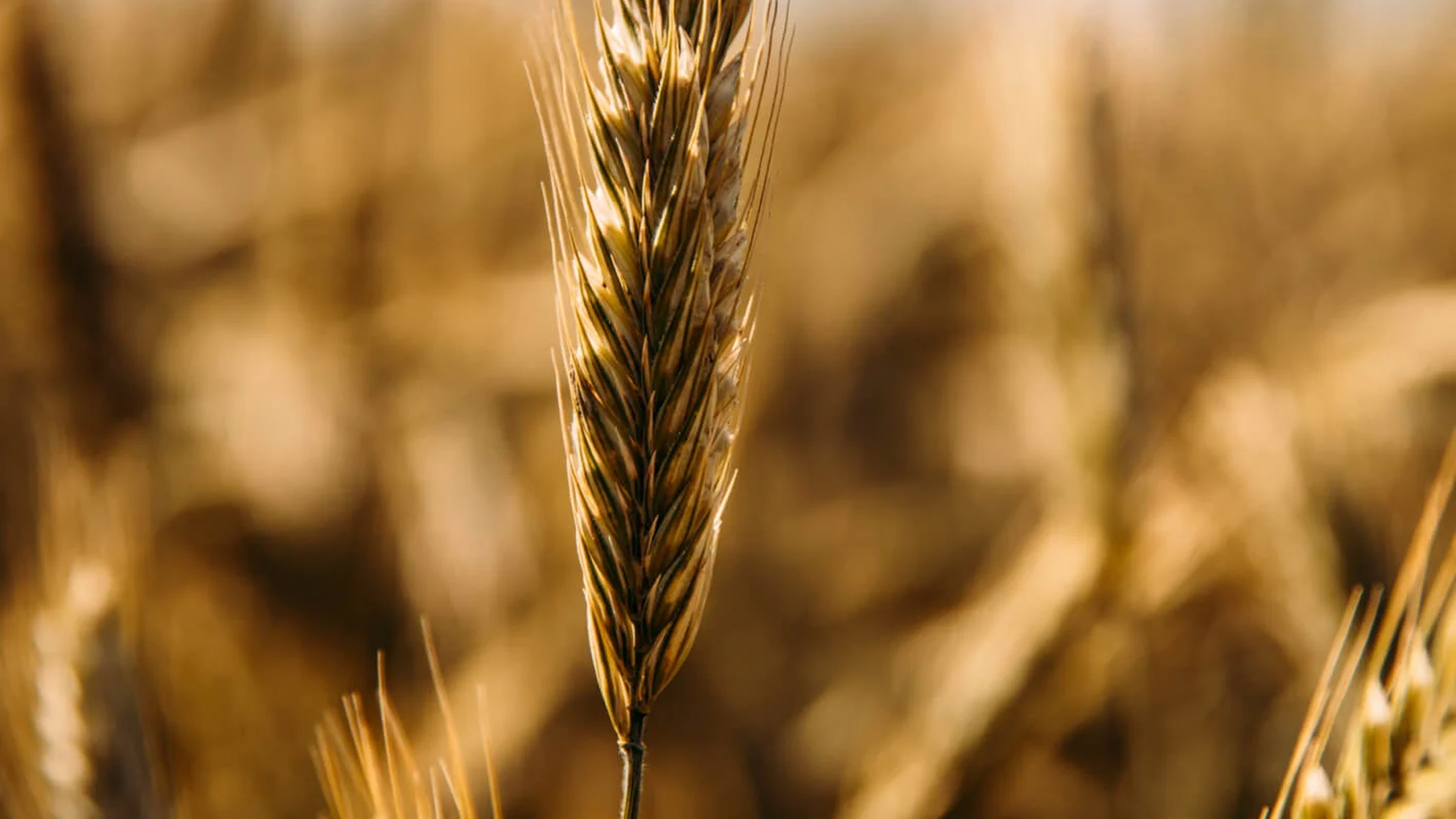
PRECISION FARMING
By using equipment able to monitor the status of the crop and GPSsystems in the fields, farmers optimize the amount of fertilizer needed, so that they can use only what is necessary. This results in increased yields, more even quality and reduction of fertilizer used, leading to lower emissions per kg of rye harvested.
BIOFUELS
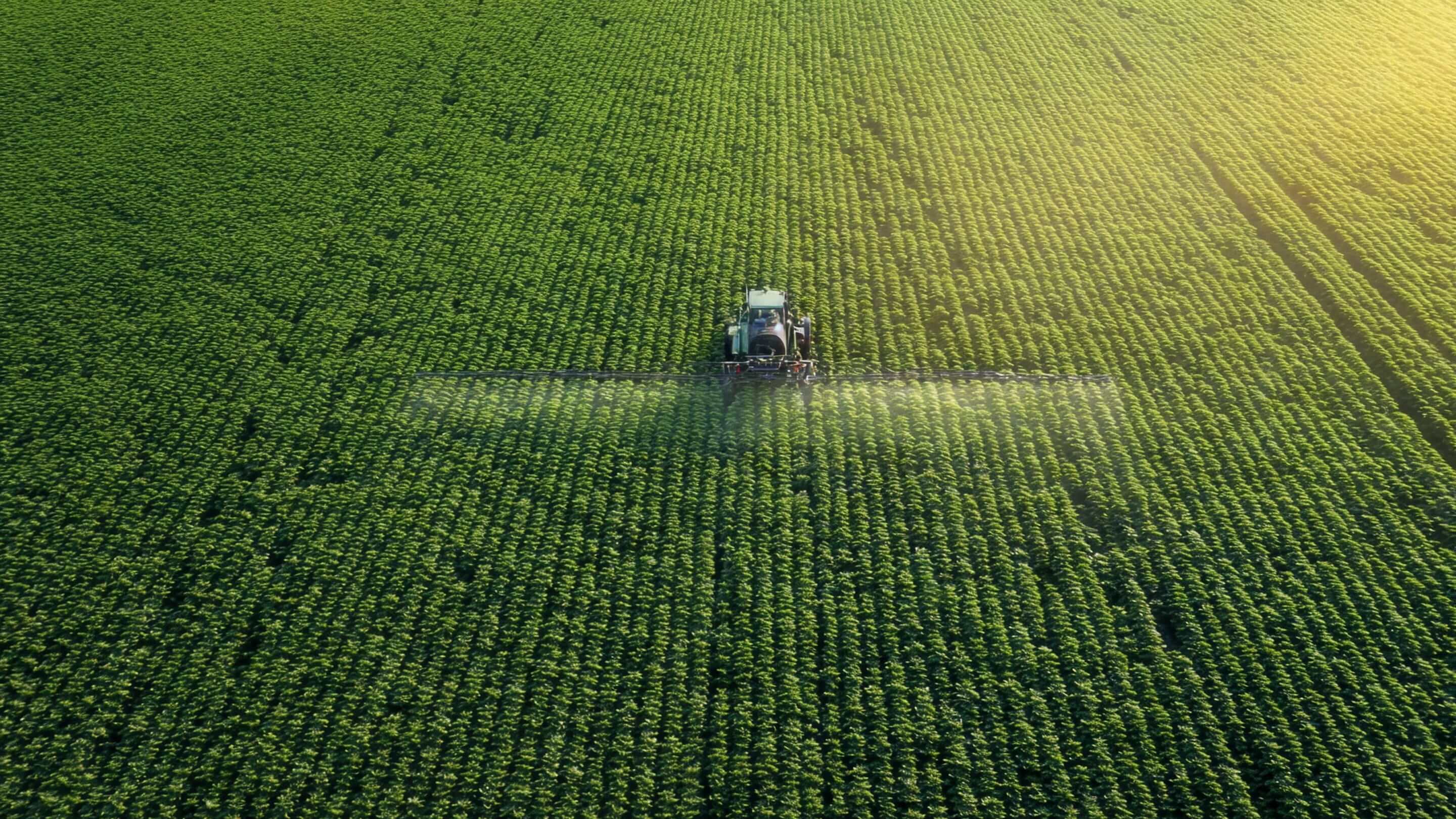
They can reduce CO₂ emissions by up to 90%* compared to fossil fuels. Our suppliers use them both for transport and grain drying. We accept only HVO, biogas, and other types of non-fossil fuels that come from non-food material and change the land as little as possible during production.
BAT FERTILIZER
BAT stands for Best Available Technique. It has been developed by the European Manufacturer Association and aims at minimizing CO₂ emissions in the fertilizer industry and other sectors, reaching a 50% reduction in emissions compared to average European fertilizers.
CONTINUOUS IMPROVEMENT
We are constantly learning in the process, evolving these solutions so that we may produce more and more rye in an increasingly sustainable way: we expect to reduce emissions by 10-15% per each kg of rye per year when implementing the activities.
NEXT PROJECT
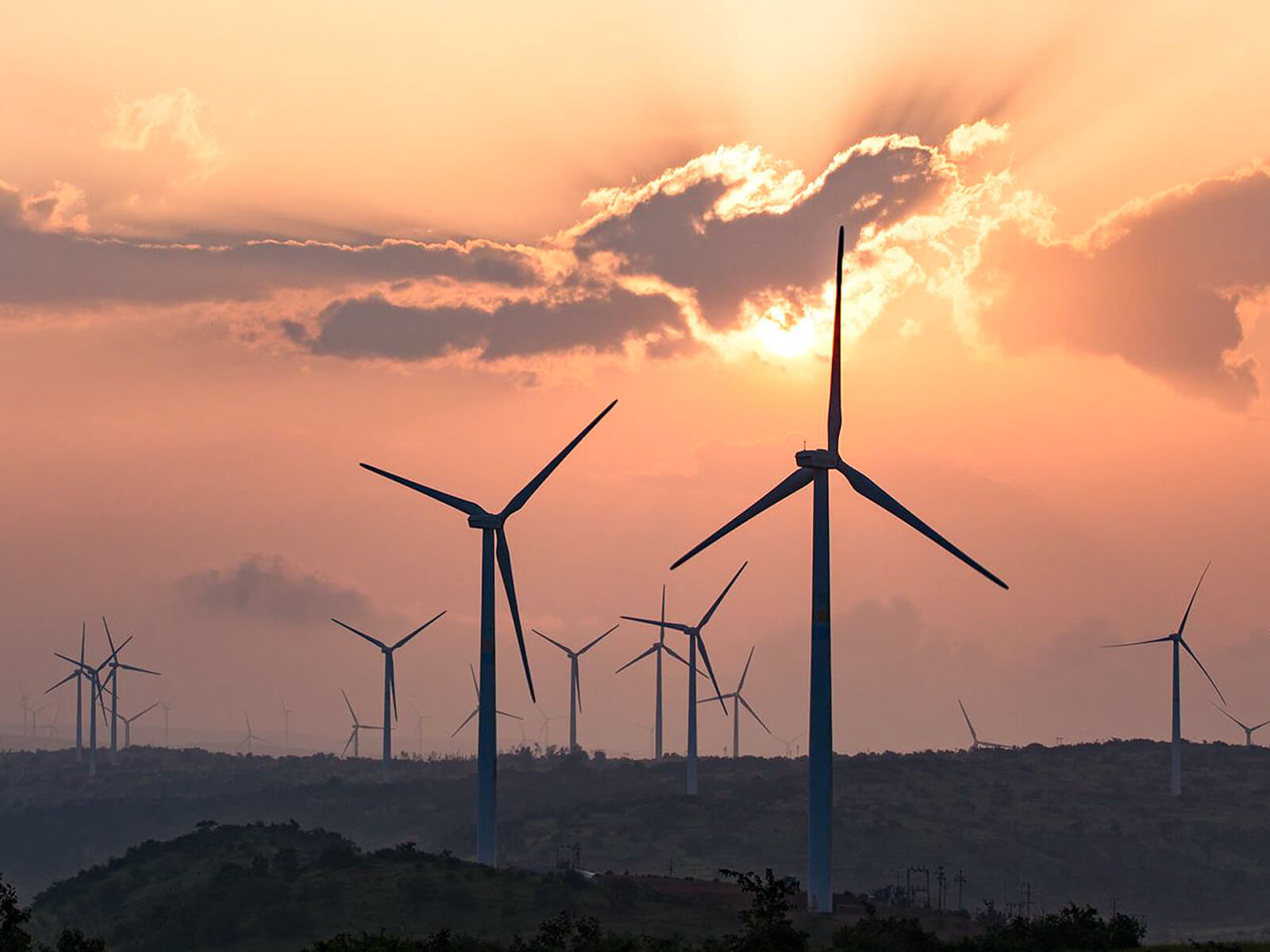
THE PAWAN WIND PROJECT INDIA
The Pawan Wind project in India, includes the Installation of Wind and power generation projects in several States of India. The goal of the activity is the generation of clean electricity. The project makes an important contribution to the conversion of India to a low-carbon economy.